Planning a custom tiny home for winter in Melbourne, but feeling stuck on approvals and where to place it? You are not alone. The good news is there is a clear path in Victoria, and you can start now with confidence.
This guide walks you through the real approvals in Victoria, where you can put a tiny home, and the practical steps from first chat to delivery. Along the way, you will see how Tiny Homes by Hangan supports you from your first Bayswater tour through design, documentation, trailer selection and siting.
Ready to move from research to action? Here is the simplest way to begin.
What permits you actually need in Victoria
In Victoria, a building permit is required for construction compliance. That applies whether you are adding a fixed secondary dwelling or a backyard studio, and it covers safety and construction standards.
Planning permits can be different. Victoria has introduced a statewide pathway that may waive a planning permit for some secondary dwellings up to 60 m² on eligible lots. Whether that applies to you depends on local overlays, zoning and intended use. If your home is a moveable dwelling or Tiny House on Wheels, councils can have different approaches to on-site duration and services. The fastest way to clarity is to confirm the intended use and check with your local council early. Tiny Homes by Hangan can help you prepare plans and documentation to support that conversation.
Where tiny homes fit in Melbourne and wider Victoria
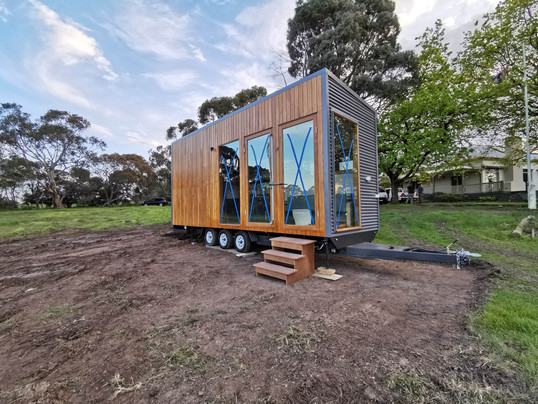
Placement options include backyards in suburban Melbourne, rural properties across regional Victoria, and small-business or farm-stay settings. For fixed secondary dwellings, typical placements are behind the primary home with considered setbacks, private outdoor space and compliant services. For Tiny Homes on Wheels, you will plan a safe, level pad with access for delivery, plus either mains services or off-grid systems like solar, rainwater and a composting toilet.
If you are exploring a non-habitable backyard studio for work or hobbies, councils often treat those differently from dwellings. Smaller structures that meet height and setback rules may avoid a planning permit while still needing building compliance. If your use might evolve into guest stays later, design to a high standard now and speak to council before changing use. For ideas, you can review backyard cabins and studios built for Melbourne clients, including placement examples and service options.
STEP 1 – Book a Bayswater tour and initial chat
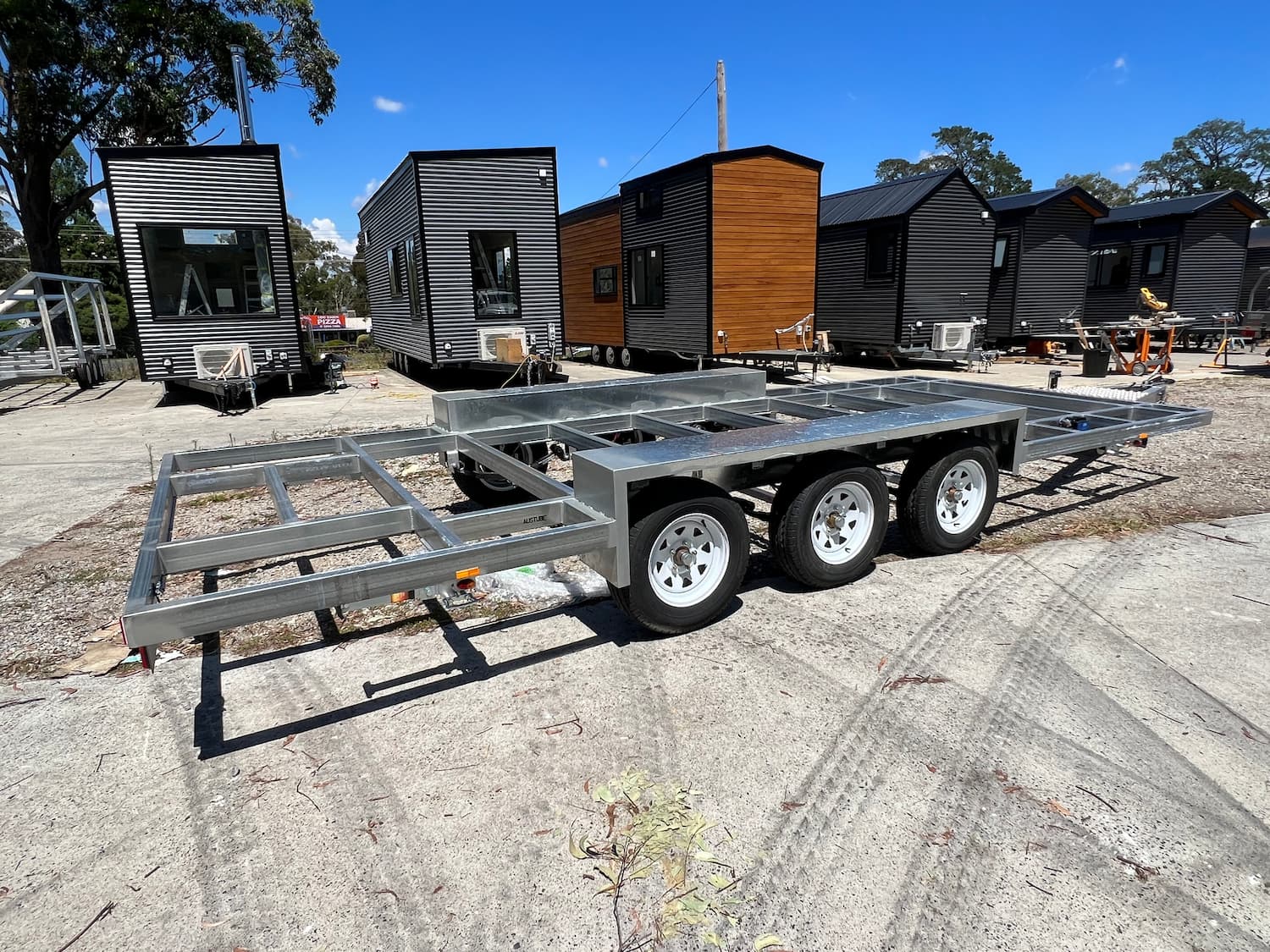
Start with a one-on-one factory tour at the Bayswater workshop. You can see builds at different stages, compare trailers, and discuss approvals, services and siting on your block. Bring a rough site sketch, photos of access points and a short wish list.
- Book now via the Tiny Homes by Hangan tour page to reserve your slot in Bayswater.
- If you are early in your research, the team can also walk you through pathway choices like turnkey, lock-up shells and DIY.
Clients often say this tour is the moment the project becomes real. One recent visitor summed it up as professional, responsive and easy to deal with, adding that perfection seemed to be the team’s standard.
STEP 2 – Site review, permit pathway and budget range
After the tour, the team helps map your likely permit pathway based on location, intended use and overlays. You will receive guidance on whether your project could fit under the up-to-60 m² secondary dwelling pathway or if a planning permit is more likely. A building permit remains a constant, and the team will help you plan for it.
At this step, you will also confirm whether you want a turnkey build, a lock-up shell you finish with local trades, or a DIY trailer-based start. DIY and trailer-only approaches are commonly 50 to 60 percent less than turnkey builds, depending on scope and choices, so this is a good moment to align budget with involvement.
STEP 3 – Design brief and trailer selection
Together, you will shape a practical layout focused on flow, light, ventilation and storage. You can draw from proven models like Hillside, Eureka or Cradle Mountain, then customise to suit how you live. Trailer selection is decided here, typically:
- Flat Top for flexible internal layouts.
- Drop Deck for extra head height, especially with loft bedrooms.
- Truck-axle options for long builds like 11 m family designs.
If you plan to tow more often, the team can advise on registration and Victorian road compliance. You can also explore a road-legal tiny house trailer in Melbourne that aligns with your layout and expected weight.
A client from Healesville praised this stage for the detail and patience shown by the team, noting fast answers and realistic advice on weight, storage and access.
STEP 4 – Documentation, engineering and permit preparation
This is where your plan becomes a build-ready package. You will receive bespoke plans, trailer drawings, framing plans and window schedules. Tiny Homes by Hangan prepares documentation suited to council conversations and the building permit application. If your project fits the statewide secondary dwelling pathway, the team will help you present it clearly to your council. If you are building a non-habitable studio, plans are set up to match that use.
STEP 5 – Production queue, frame and lock-up
Once you are happy with the drawings, a placement deposit secures the production queue and trailer fabrication. A typical staged approach includes:
- Frame completion checks.
- Weatherproof external cladding and roofing to lock-up.
- Electrical and plumbing rough-ins aligned to your services plan.
If you opt for a lock-up shell, this is often the handover point. Owner-builders appreciate receiving a water and weatherproof shell that is ready for interior work. If you continue to turnkey, the team manages finishes through to a detailed walkthrough.
STEP 6 – Finishes, comfort and services
Interior lining, cabinetry, windows and services come together. For winter comfort in Melbourne, common choices include double glazing, quality insulation, vapour management, and a 2.5 kW split-system for efficient heating and cooling. Kitchens and bathrooms are fitted, and where off-grid readiness is specified, solar wiring and rainwater systems are prepared. Clients frequently mention the tidy workmanship and responsive updates at this stage, saying communication is easy and the quality of finish is excellent.
STEP 7 – Delivery planning, handover and siting
Before delivery, the team confirms tie-downs, load distribution and access at your site. On arrival, placement is managed with care, and final checks ensure you are ready for services. If you need help with connections, the team can advise on local trades. Many Melbourne buyers say the delivery day is calm and well managed, with a friendly walkthrough and practical tips on maintenance and seasonal use.
Timelines you can expect
Timelines vary by design, materials and council steps, but a simple rule of thumb is to begin design work 9 to 12 months before your ideal move-in date. That window allows for documentation, permits, production queue and finishes. Some projects complete faster and others take longer. Your project coordinator will update you on expected dates as selections are finalised.
Mini case notes from recent clients
- A young couple praised the team’s professionalism and responsiveness, saying the final result was “absolutely stunning” and the process felt easy from the first tour to delivery.
- A repeat construction client highlighted reliable workmanship and clear communication, noting that site foremen and workshop staff were attentive and solution-focused.
- A solo buyer said the quality was exceptional, with a dream home on wheels finished to a standard where perfection felt like the only acceptable outcome.
Frequently asked questions
- Do you need a permit for a tiny house in Victoria? Yes, a building permit is required. Planning permits can be waived for some secondary dwellings under 60 m² depending on eligibility, but overlays, zoning and intended use can change the outcome.
- Where can I put a tiny home in Melbourne and wider Victoria? Common sites include suburban backyards, rural properties and small hospitality sites. Placement needs safe access, a level pad and either mains services or off-grid systems. Council rules differ for fixed dwellings, backyard studios and Tiny Homes on Wheels.
- Can I live in a tiny house on my own land in Australia? Often yes, subject to local approvals and compliance. In Victoria, confirm the intended use, check overlays and speak to your council early.
- How long does the approvals and build process take? It varies by design and council. Many clients start 9 to 12 months before their target move-in date to allow for documentation, permits, production queue and finishes.
- What are the practical steps from first chat to delivery? Book a Bayswater tour, confirm your site and permit pathway, finalise design and trailer selection, complete documentation, move into the production queue, progress to lock-up and finishes, then plan delivery and siting.
Start now, with support at every step
If you want clear next steps today, book a one-on-one visit at the Bayswater workshop to see Melbourne tiny homes in progress and talk through permits, trailers and placement. You can also explore examples of backyard studios built for Melbourne owners to compare siting options and service setups.
Summary: In Victoria, a building permit is required, and planning may be waived for eligible secondary dwellings under 60 m² depending on local overlays and use. The fastest way forward is to clarify your intended use, confirm your site’s pathway, and align your design and trailer early. Tiny Homes by Hangan will guide you from first tour through documentation, build and delivery. Book a factory tour today and take the first confident step toward your custom tiny home.