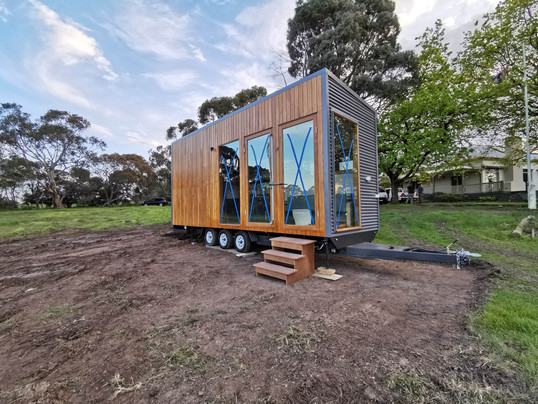
Choosing where to place a tiny home is just as important as choosing the layout. The right site makes delivery simpler, keeps your day-to-day living comfortable and compliant, and protects your investment.
This guide walks through common placement options across Australia with a Melbourne and Victoria lens. You will find practical checklists for suburban blocks, rural properties, holiday sites and small business locations, plus a plain-English look at access, slope, setbacks and services. We also explain how trailer choice and size affect head height, loft design and where a home can sit.
If you want tailored advice for your property, Tiny Homes by Hangan offers site guidance, delivery prep and help with registration. Book a one-on-one consult to map out the best path for your project.
Common places to put a tiny home
Most Australians place tiny homes in one of four settings. Each has its own rules and practical considerations.
- Suburban backyards as a secondary dwelling or granny flat: Great for multigenerational living, a studio, or a rental where allowed. In Victoria, a small secondary dwelling under 60 m2 can often avoid a planning permit where criteria are met, though a building permit is still required. Local overlays can change what is allowed, so always check with your council.
- Rural and regional blocks: Typically offer generous space and easier access for delivery. Councils may regulate dwellings on wheels, on-site duration, and wastewater management. Off-grid systems are common here.
- Holiday properties and short-stay sites: Caravan parks, holiday villages and farm stays can sometimes host moveable dwellings with park rules and state guidelines. For private land used for short-stay accommodation, expect both planning and building considerations.
- Small business or tourism sites: Wineries, retreats and wellness venues often use tiny homes for guest stays. Approvals tend to focus on land use, parking, wastewater and bushfire overlays.
Setbacks, access and slope: what matters at placement
Before picking a spot, check three fundamentals: where it can legally sit, how we will get it there, and whether the ground works with the design.
- Setbacks and overlays: Councils set minimum distances to boundaries and may restrict placements near easements or floodways. Heritage, environmental and bushfire overlays can add conditions. Ask for written advice from council or a planning consultant.
- Access for delivery: A typical tow vehicle and trailer will need clear turning space, overhead clearance, and a firm surface. Measure gate widths, tree canopies, powerlines and driveway gradients. For 7 to 11 m homes, a tilt-tray or truck-axle trailer may be used; we will confirm vehicle type during your consult.
- Slope and foundations: Level ground simplifies set-up. Gentle slopes can be managed with packers, adjustable stands or engineered footings. For semi-permanent placement, plan for stable, well-drained pad points and termite-safe ground contact solutions.
Services: mains and off-grid options
Connect what you can to make living easy, then fill gaps with smart off-grid systems.
- Power: Mains electricity is ideal for suburban sites. Rural blocks often combine mains with solar and battery storage. We pre-wire for 240 V and can make your build solar-ready.
- Water: Town water simplifies plumbing. Otherwise, use rainwater tanks with appropriate filtration.
- Sewer and wastewater: Where sewer is available, connection is straightforward. Without it, consider approved septic systems or a composting toilet paired with greywater management that meets local rules.
- Gas and hot water: Many clients choose electric hot water and cooktops; bottled gas is possible where allowed.
Tiny Homes by Hangan supports both fully connected and off-grid setups. During design, we help you choose practical, compliant services for your site.
Towing often vs semi-permanent placement
How you plan to use your tiny home shapes the trailer, the weight and the fit-out.
- Frequent towing: If you will move often, think caravan-style builds, lighter materials and compact footprints. Flat Top trailers keep weight down and interiors straightforward. Keep roof heights and accessories streamlined for aerodynamics and road compliance. Storage and services should be road-friendly and easy to disconnect.
- Semi-permanent: If you plan to stay put most of the time, a Drop Deck trailer can unlock extra internal head height around wheel arches, which helps with loft comfort and tall cabinetry. You can prioritise larger kitchens, full showers and integrated decks. Heavier cladding or additional glazing is more feasible.
We will guide you on registration pathways for moveable dwellings or custom caravans, and we can assist with Victorian trailer registration steps so you are road legal from day one.
Trailer choice, size and head height
Trailer type and overall size affect liveability and placement options.
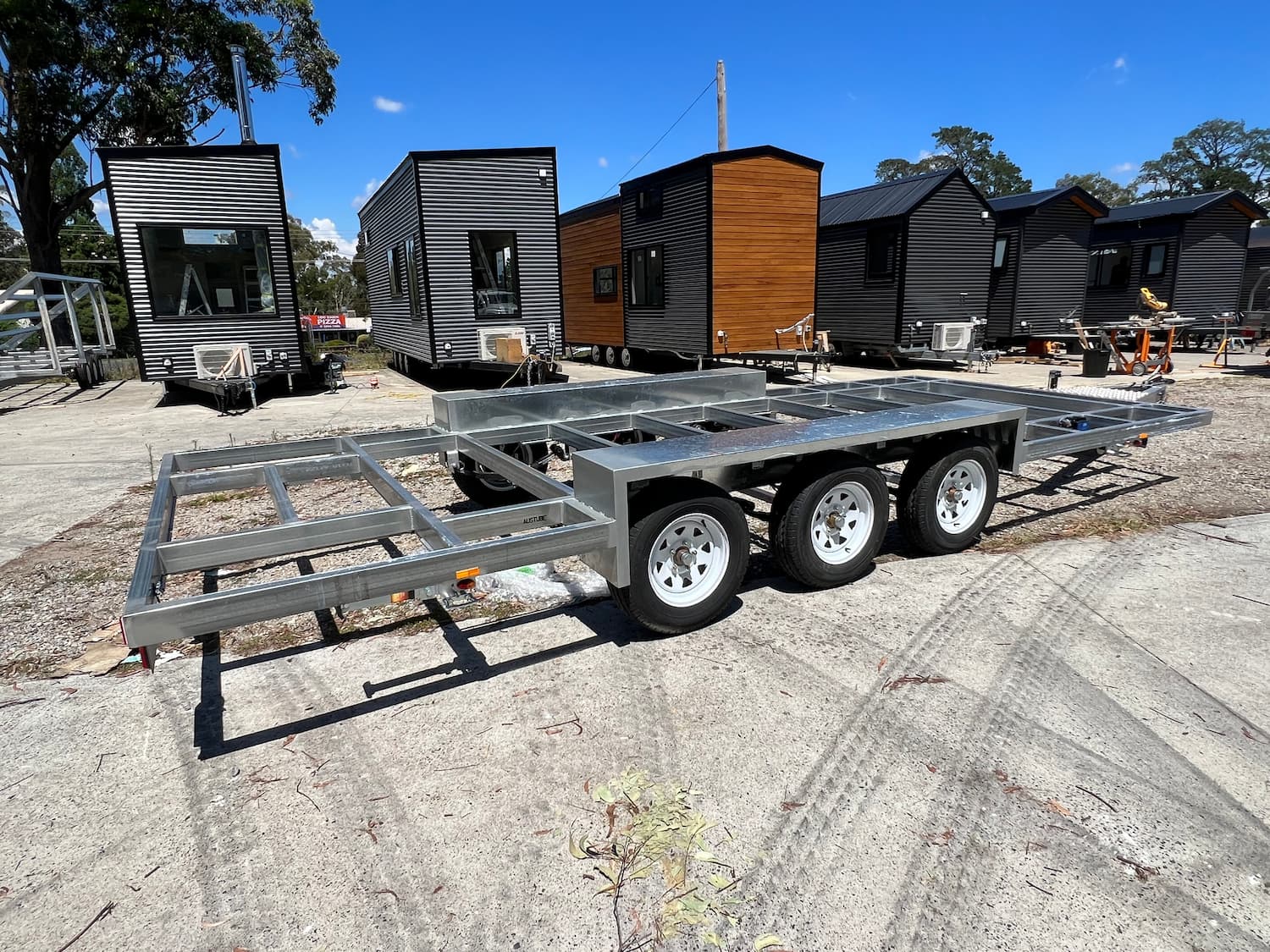
- Flat Top trailers: No wheel boxes intruding inside the frame, which is great for flexible layouts and simpler flooring. Good for frequent towing.
- Drop Deck trailers: Lower floor section between wheels increases internal head height, especially useful under lofts and in living areas. Ideal for semi-permanent homes.
- Length and weight: Builds from 4 m to 11 m are common. Longer homes can require truck-axle trailers with air brakes and careful delivery planning. Size affects where a home can sit on a property, turning circles on entry, and which transport vehicle we use.
If you want to dive deeper into trailer choices or see specs, view our road-legal tiny home trailers and chat through options during a factory tour.
Melbourne-focused placement checklist
Melbourne blocks vary widely, but these steps help most clients get site-ready.
- Talk to council early: Confirm whether your use is a secondary dwelling, a backyard studio, or a moveable dwelling, and ask about setbacks and overlays. Keep written notes.
- Measure access: Gate width, driveway gradient, turning space, overhead wires and tree canopies. Take photos and simple measurements.
- Pick the pad: Choose a level or level-able corner that will not block garage access or neighbour sightlines. Mark easements and services.
- Plan services: Identify power, water and sewer points. If off-grid, choose solar, battery and rainwater locations, and confirm greywater rules.
- Confirm height and trailer: Decide Flat Top or Drop Deck based on loft needs and driving frequency. Taller interiors are easier with a Drop Deck for semi-permanent use.
- Prepare the surface: Firm, well-drained pad points or stands; consider pavers or compacted gravel to keep things tidy and stable.
- Book delivery early: Align build timing with site readiness. We will confirm vehicle type, time of day and any traffic management needed.
For hands-on help with any step, you can speak with our team of tiny home builders in Melbourne during a tour of our Bayswater workshop. See current builds, trailers and service layouts in person.
Backyard placements in Victoria
Backyard secondary dwellings are popular in Victoria. A statewide pathway can allow small dwellings under 60 m2 to bypass planning permits on eligible lots, but a building permit is still required and overlays can override the pathway. If you want a non-habitable studio for work or hobbies, rules differ again and are often simpler, though still council dependent. Ask your council to confirm your exact lot conditions, then we can design to suit.
If you are weighing up a fully fitted granny flat against a simpler studio, our guide to backyard cabins and studios in Melbourne offers good context and options.
Rural and regional placements
Rural blocks make deliveries easier and give you more freedom with orientation for sun, views and privacy. Plan early for water storage, solar arrays and wastewater systems. Wind exposure and bushfire overlays may influence cladding choices and siting. We coordinate with you on pad points, access tracks and trenching routes so install day is smooth.
Holiday, short-stay and small business sites
For tourism or staff housing, approvals focus on land use, parking, wastewater, noise and accessibility. Power availability and cleaning access matter for operations. Many of our clients choose turnkey builds so they can open sooner and recoup costs through bookings. We can also deliver lock-up shells if you prefer to complete interiors in stages.
How Tiny Homes by Hangan helps
- Site advice: We review your photos, measurements and council notes, then recommend trailer type, orientation and services.
- Delivery prep: From confirming truck access to pad point placement, we plan the route and the landing so set-up is efficient.
- Registration and compliance: We assist with trailer specification and Victorian registration steps so your home is road legal where required.
- Custom design: Loft layouts, window placements, off-grid wiring, decks and storage tailored to your site and your lifestyle.
If you would like to see builds in progress and talk through your block, book a consultation in Bayswater. One of our team will walk you through options and next steps.
FAQ
- Where can I put my tiny home in Australia? You can place a tiny home in suburban backyards, on rural and regional land, at holiday properties and caravan parks where rules allow, and on small business or short-stay sites subject to approvals.
- Where can I put a tiny house in Victoria? Backyards, rural blocks and some tourism sites are common. Victoria offers a pathway for small secondary dwellings under 60 m2 that can waive planning permits on eligible lots, but a building permit is still required and overlays can change what is allowed.
- What is the best location for a tiny house? The best spot balances legal compliance, easy access for delivery, level ground, connections for services, sun and wind orientation, and privacy from neighbours. Choose a location that meets council rules and supports your day-to-day living.
- Can I put a tiny home on my land in Victoria? Often yes, with the right permits. Check with your local council about planning and building requirements for your specific lot and intended use.
- Can I rent my land to tiny homes? Some councils allow land rentals for moveable dwellings or short-stay uses, while others restrict them. Always seek written advice from council and consider insurance, access and wastewater responsibilities.
Gentle next step
Placing a tiny home is a mix of vision and practical planning. Start with council advice, measure your access, choose the right trailer for how you will live, and plan services that make daily life effortless.
When you are ready to map your site one-on-one, book a consultation at our Bayswater workshop. Explore Melbourne tiny homes in person, discuss your block and get clear, practical steps to move forward. For ideas on backyard studio options, you can also browse our Melbourne backyard cabins and studios page. And if trailer specs are on your mind, take a look at our road-legal tiny home trailers for a deeper dive into Flat Top versus Drop Deck choices.