Your 2026 Guide For Melbourne Owners
Curious about tiny living in Melbourne and not sure what is actually allowed? You are not alone. Victoria’s rules can feel confusing at first glance, especially when you are choosing between a Tiny House on Wheels, a fixed
secondary dwelling, or a backyard studio. This guide breaks it down in plain English so you can plan with confidence, speak to your council with the right questions, and move toward approvals without surprises.
Before we start, one important reminder. Regulations change, and local planning overlays can override general rules. Always confirm with your local council and a registered building practitioner before you buy, build, or
place a tiny home.
Quick definitions you will hear
Getting the language right helps you ask the right questions and get faster answers from council.
Tiny House on Wheels: A registerable moveable dwelling, often treated like a custom caravan. It sits on a road-legal trailer and can be moved between sites.
Fixed secondary dwelling: A small, self-contained dwelling built on foundations. In Victoria, secondary dwellings under 60 square metres can be exempt from planning approval in many cases, but a building
permit still applies.
Backyard studio: A non-habitable outbuilding, such as an office, studio, or hobby room. It does not include a full kitchen or full-time sleeping use. Building rules still apply, and some councils require permits based
on size and placement.
Are tiny houses legal in Victoria?
Yes, tiny houses are legal in Victoria, but the path to approval depends on the type of structure and how you plan to use it. If it is on wheels, you will deal with road and caravan-style rules, plus local planning rules about
how long a moveable dwelling can stay on a site. If it is fixed on footings, you will follow the building code and your council’s planning scheme.
In 2024, Victoria introduced a state-wide pathway for secondary dwellings under 60 square metres. Many sites with an existing house and no restrictive overlays can add a secondary dwelling without a formal planning
permit. You still need a building permit and you must meet siting, setback, and service rules. By 2026 this pathway is expected to be the normal route in most Melbourne councils, but do not skip the step of confirming
overlays and local schedules with your council planner.
Do you need a permit for a tiny house in Victoria?
Usually, yes.
Tiny House on Wheels: You may need registration and road compliance for the trailer, and local council consent for use on a property. Some councils allow short-term or ancillary use through local laws or a simple
consent letter. Others require a planning permit for longer stays. Services and waste management must be addressed.
Fixed secondary dwelling under 60 m2: Often no planning permit is required, provided your site meets the state provisions and has an existing dwelling, but a building permit is still required. You will need
drawings, engineering if applicable, energy reports, and a registered builder or owner-builder authority.
Backyard studio: Often requires a building permit, and sometimes a planning permit depending on size, height, setbacks, and overlays. Because a studio is non-habitable, you cannot use it as a stand-alone home.
Can you live in a tiny house on your own land in Australia?
In Victoria, you can live in a tiny home with the right approvals. A fixed secondary dwelling with a building permit is the most straightforward pathway for permanent living on a site that already has a main house. If you plan
to live in a Tiny House on Wheels on your land, check your council’s local law or planning scheme about moveable dwellings, duration limits, connection standards, and amenity impacts. Each council sets its own
approach to length of stay, services, and whether a planning permit is required.
Where can you put a tiny house in Victoria?
Common locations include:
– On a residential lot behind an existing home as a secondary dwelling, using the under 60 m2 pathway where eligible.
– As a Backyard studio for work or hobbies, with the right setbacks and a building permit.
– On rural or farming land, subject to zone rules, overlays, and agricultural-use tests. Some rural zones allow a dependent person’s unit or a farm worker dwelling with permits.
– On a caravan park site, or land with an established permit for moveable dwellings.
– Temporarily on private land during building works with council consent, if you are using it like a site office or temporary accommodation.
Because overlays can restrict what seems simple, speak to your council early. Bushfire Management Overlay, Heritage Overlay, Environmental Significance Overlay, flood controls, and neighbourhood character schedules
can change what approvals you need.
Which councils in Australia allow tiny houses?
Rules are local, and they shift. In Victoria, most councils recognise the state secondary dwelling provisions and the road-vehicle status of Tiny Houses on Wheels. Some councils are clearer and more supportive with
published guidelines. Others assess on a case by case basis. If you are comparing across states, you will find very different settings for moveable dwellings and secondary homes. For Melbourne and regional Victoria, treat
your own council as the source of truth, and get any advice in writing.
Building permit vs planning permit
Here is the friendly way to remember it.
Building permit: About safety and construction standards. It checks structure, energy efficiency, fire separation, drainage, and setbacks to the extent they appear on the certified plans. Almost every fixed dwelling
or studio will need a building permit.
Planning permit: About land use and neighbourhood fit. It looks at whether the land can host another dwelling, design impacts, overlays, and amenity. Under the Victorian secondary dwelling pathway, planning
may be waived for sub 60 m2 dwellings on eligible lots, but your site must comply with the specific criteria.
A Tiny House on Wheels can sometimes avoid a building permit if it remains a moveable dwelling and is not permanently fixed. You still need to satisfy council about use, time limits, and services. Ask your council
specifically about moveable dwelling rules on private land.
A simple decision path for common scenarios
Use this as a starting point, then verify with council.
Primary home in your backyard: If it is fixed and under 60 m2, you will likely need a building permit and might not need a planning permit. If it is on wheels, confirm local rules for long-term use and service
connections.
Granny flat for a family member: A fixed secondary dwelling is usually the cleanest path. Aim for the under 60 m2 pathway where eligible. If accessibility is key, discuss ramp gradients and bathroom layouts during
design so they appear on the permit drawings.
Airbnb or studio: Short-stay use can trigger extra planning considerations like parking and amenity. Many councils assess short-stay use separately. Studios used for work only are non-habitable and cannot be
advertised as accommodation.
Rural block: Check your zone and overlays. Farming Zones can be strict about additional dwellings unless linked to agricultural need. Bushfire and environmental overlays add technical steps to the building
permit.
Moving between sites: Treat your Tiny House on Wheels like a caravan for transport. Make sure your trailer is a road-legal tiny house trailer Melbourne owners can register, and confirm each site’s local rules for stay
duration and services before you move.
How Tiny Homes by Hangan helps you get approved
If you want a smoother path, bring an experienced team in early. Tiny Homes by Hangan is a local tiny house builder Melbourne buyers trust for custom design and permit-ready documentation. Here is how the team
supports you:
Placement guidance: We talk through your block, setbacks, access, services, and foundation or trailer options. We help you collect the right questions for council and can outline typical approval paths for your
scenario.
Drawings for permits: We prepare detailed framing plans and documentation suitable for building surveyors and, where needed, planning submissions. This includes site plans, elevations, and specifications your
council expects to see.
Staged builds to match approvals: You can choose a lock-up build while permits are finalised for interior works, or go turnkey once everything is in place. DIY or hybrid is also available if you want to save on costs
and keep your hands in the project.
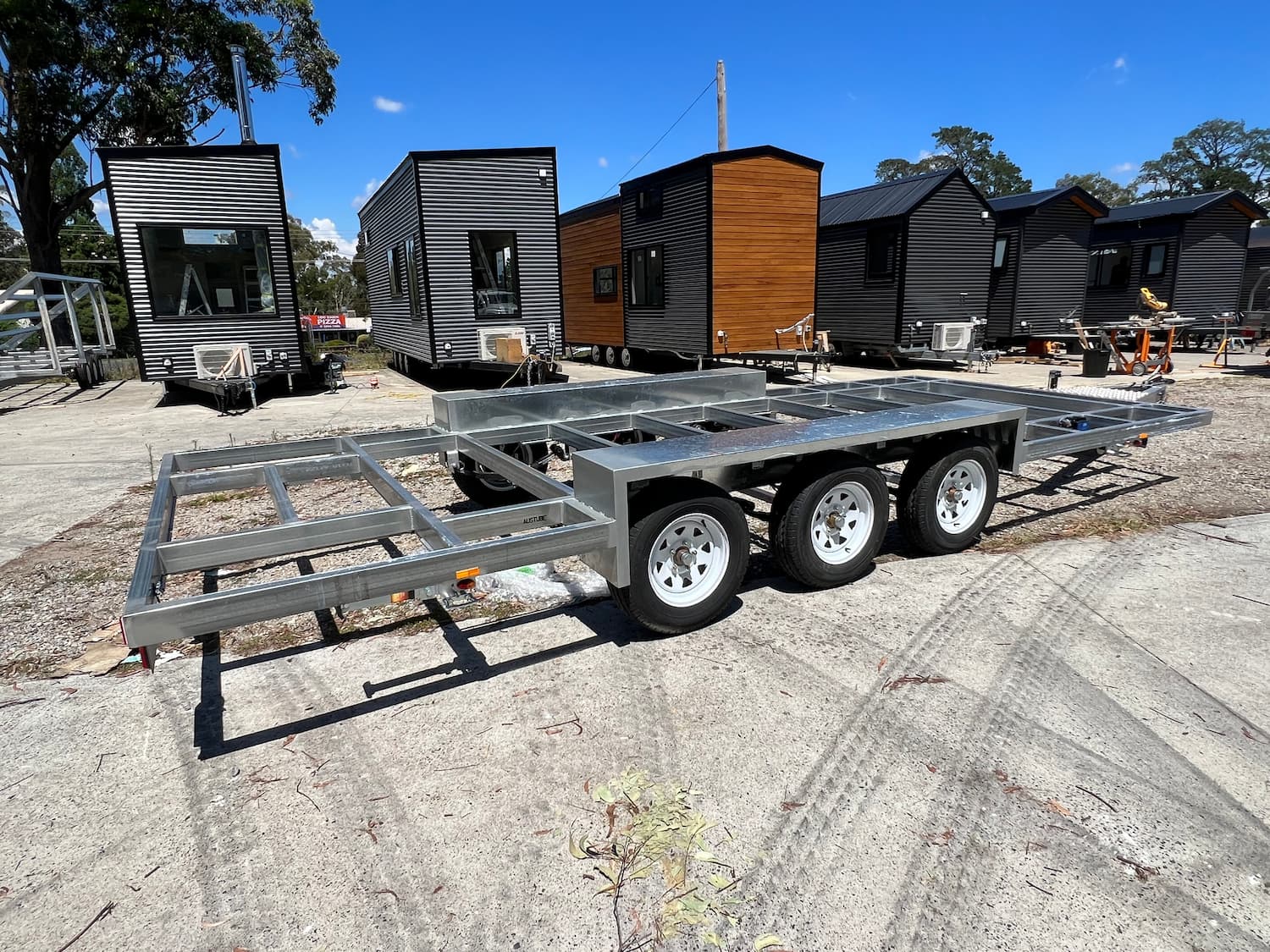
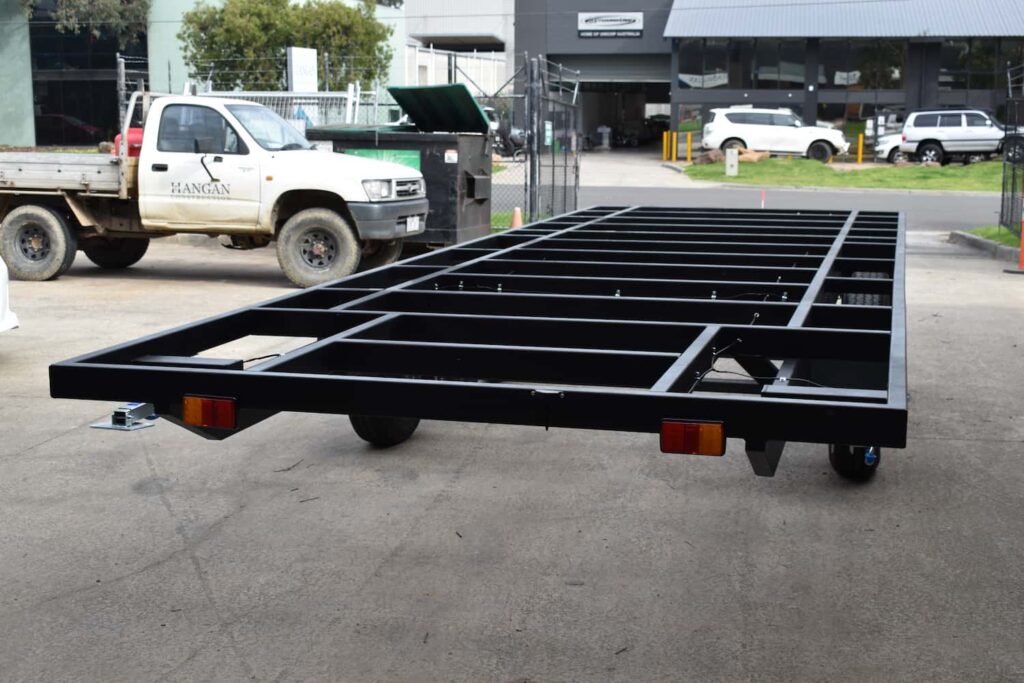
Custom trailers in-house: If mobility is part of your plan, we build road-ready trailers and can advise on registration, towing weights, and service connections on arrival.
Want to see current projects in person? Book a factory tour in Bayswater and speak with the team about layout ideas, off-grid options, and the approval steps that apply to your land.
Practical tips before you call council
- Write down your intent: permanent living, dependent relative, studio, or short-stay. Use that language in your enquiry.
- Have your address handy and ask about overlays and the 60 m2 secondary dwelling pathway.
- Ask what documents they need to give clear advice. A simple concept plan and site plan usually help.
- Keep records of any council guidance. If it is verbal, email the planner a short summary and ask them to confirm.
- Line up a registered builder or building surveyor early. It speeds up the building permit stage.
Internal examples and resources
If you are exploring work studios, have a look at backyard studios melbourne to understand non-habitable options and placement considerations. If you are weighing mobility, our road-legal tiny house trailer melbourne
page outlines trailer types and registration options. For a high-level overview of custom builds and tours, start with tiny house builder melbourne and book a time to visit the workshop.
Summary and next steps
Tiny houses are legal in Victoria with the right pathway. On wheels, you will follow moveable dwelling and local-lawmaking. Fixed on footings, you will need a building permit and may use the under 60 m2
secondary dwelling pathway to skip planning in many cases.
Your council is the key voice for overlays, duration limits, and siting rules, so always check with them before you commit.
A clear plan, accurate drawings, and an experienced builder make approvals faster and less stressful.
Ready to map your site and get your questions answered? Book a factory tour or consultation with Tiny Homes by Hangan in Bayswater. We will walk you through placement options, prepare drawings for permits, and
tailor a staged build that aligns with your approvals and budget.